2026-11-04
Ultherapy vs Thermage FLX in Korea: Which One Fits Your Concern? How They Differ and How to Choose
Ultherapy delivers heat as points at set depths; Thermage FLX warms a broad area. How to choose by whether your concern is closer to sagging or wrinkles.

Ultherapy and Thermage FLX both deliver heat into the skin, but they use different energy and the heat reaches different depths in a different shape. So the way to choose starts not with the device name but with first working out whether your concern is closer to sagging or closer to wrinkles.
Ultherapy and Thermage both use heat — so what is different?
Both treatments create heat inside the skin to bring about changes in collagen. What differs is which energy they use and what shape of heat they create.
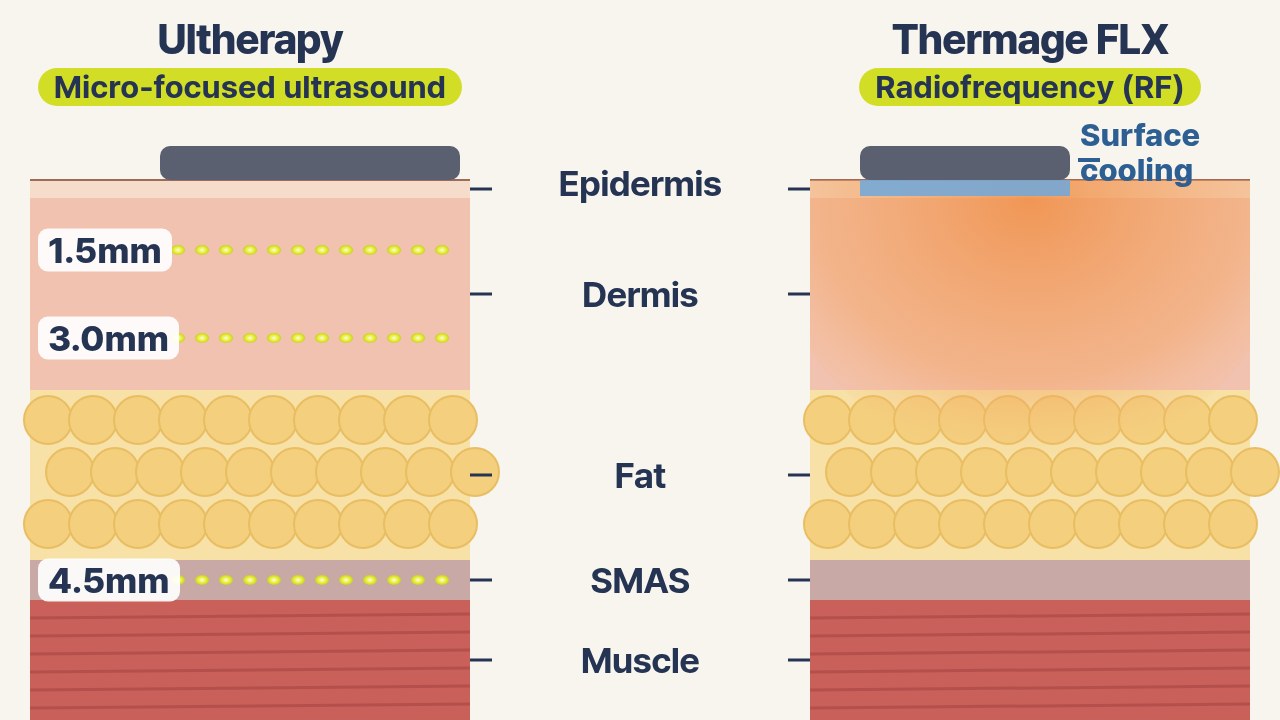
- Ultherapy — micro-focused ultrasound (MFU) — Ultrasound is gathered onto a single point at a set depth, much as a magnifying glass gathers light. It passes the skin surface and creates very small heat points (thermal coagulation points) mainly at that depth, and these points are delivered in a line.
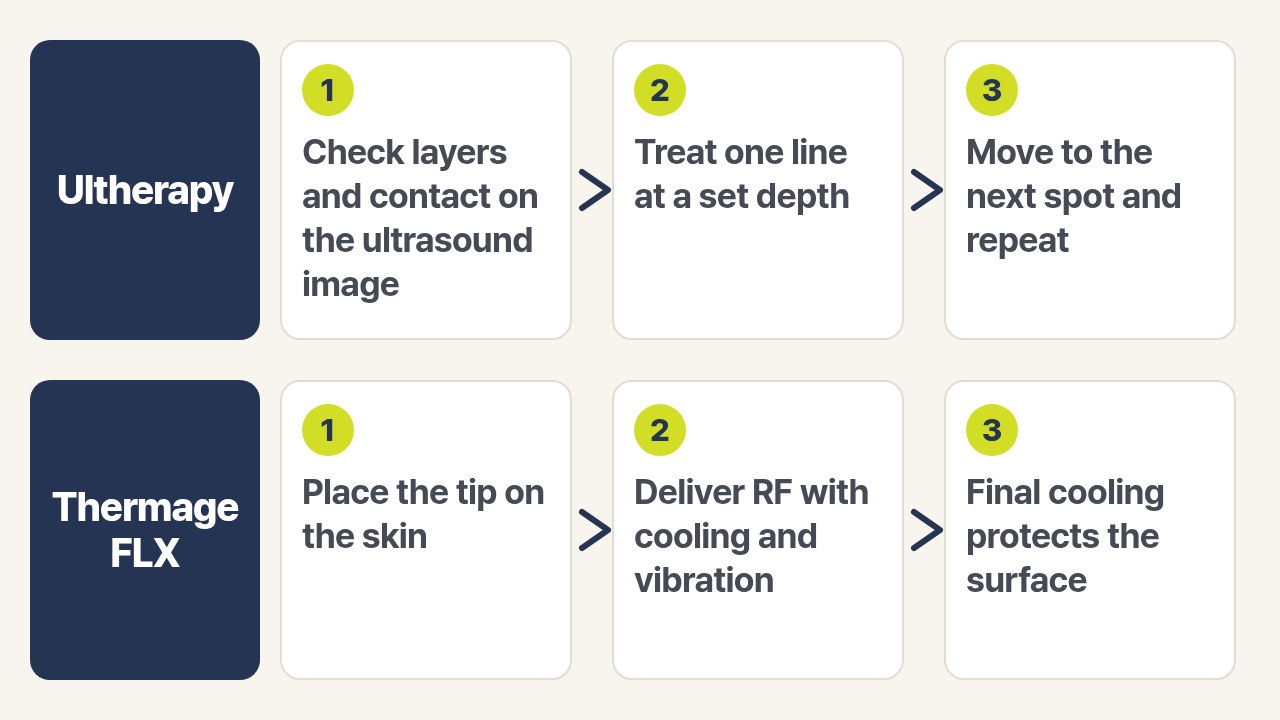
- Thermage FLX — radiofrequency (RF) — Heat produced as radiofrequency current passes through skin tissue warms a broad area under the surface the tip touches. While the heat is delivered, a cooling system keeps the skin surface cool, and vibration runs at the same time.
In short, Ultherapy delivers heat ‘as points at a chosen depth’, while Thermage delivers it ‘broadly along a surface’. The features of both treatments are also covered in our earlier post introducing Ultherapy and Thermage. This post deals with the next question: which one to discuss first for your own face.
How deep into the skin does the energy reach?
With Ultherapy, each tip (transducer) has a fixed depth. 1mm Plastic Surgery’s Ultherapy information divides treatment into three depths: 1.5mm, 3.0mm and 4.5mm. The shallower depths target the dermis, and the deepest, 4.5mm, targets the SMAS, the layer that covers the facial muscles. However, skin and fat thickness differ from person to person, so it cannot be said that 4.5mm always reaches the same layer.
That is why Ultherapy is designed so that the skin layers and the tip’s contact can be checked on an ultrasound image (DeepSEE) before energy is delivered. Which depth of tip to use on which area, and how much, is decided by the medical team.
With Thermage FLX, radiofrequency heat is delivered mainly to the dermis and, according to the manufacturer, as far as the subcutaneous fat layer. Rather than choosing depths as points, it uses a technology (AccuREP) that automatically adjusts the energy with every shot (REP).
In summary
Ultherapy targets several depths separately, while Thermage warms the dermis broadly and evenly. This is not a question of one being deeper or stronger than the other; the heat simply sits in a different place.
Is your concern closer to ‘sagging’ or to ‘wrinkles’?
One thing you can refer to when deciding how to choose is the approved use of each device in Korea. The areas and concerns written in the approval wording differ.
A common thought
Which of the two works more strongly?
Before that question, it helps to look at which device’s approved use your concern is closer to.
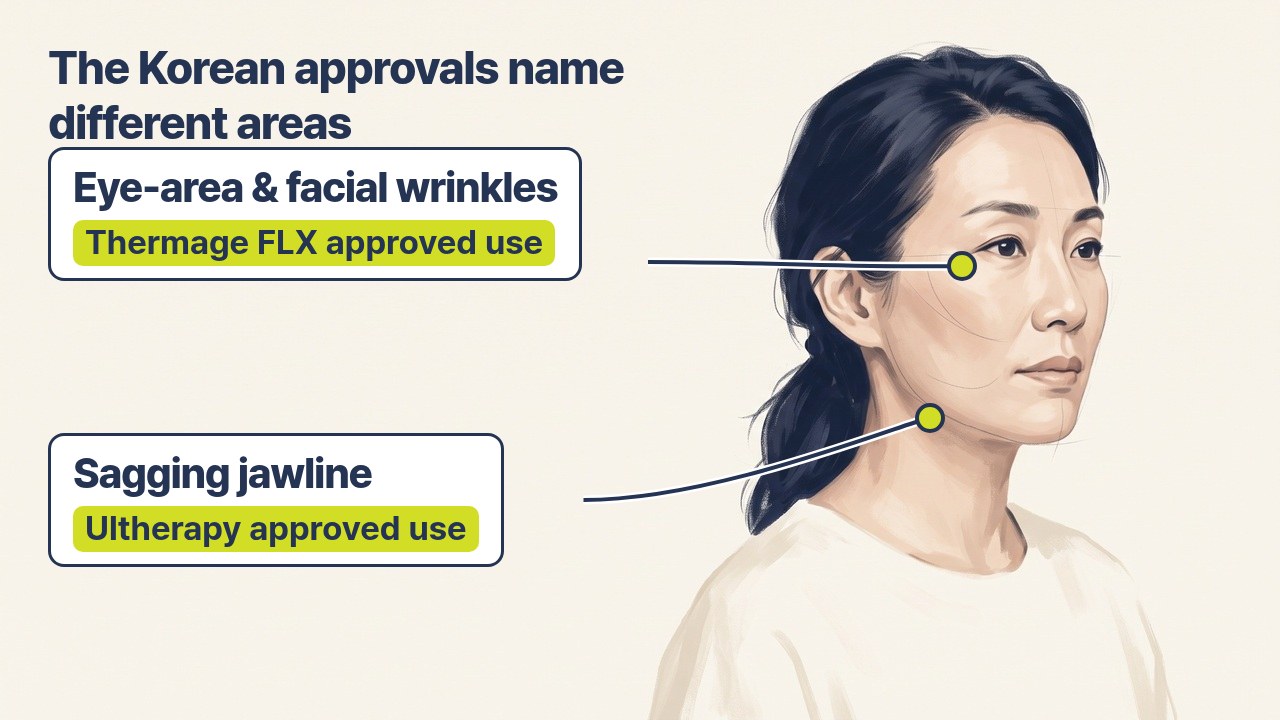
- Ultherapy (focused ultrasound stimulation system) — The approved use of Ultherapy PRIME names the eyebrows, a sagging jawline and the upper chest. It fits more closely with concerns such as a jawline that has dropped and a contour that has lost definition.
- Thermage FLX (general-purpose electrosurgical unit) — Its approved use is non-invasive treatment of wrinkles around the eyes and on the face. It fits more closely with concerns about wrinkles around the eyes and on the face.
Checking the points below in front of a mirror first can make it easier to describe your concern at a consultation.
- Does your jawline look lower than before? — This is a sagging concern.
- Are fine lines around your eyes or on your face what you notice first? — This is a wrinkle concern.
- Do you have both, or are you not sure? — This is common. A consultation that looks at each area separately is needed.
- Do your cheeks look hollow, or is your face on the slimmer side? — In this case the depth and amount need to be decided more carefully.
The approved uses are based on the Korean Ministry of Food and Drug Safety approval wording published by each manufacturer. Which treatment suits which area is decided at a consultation after looking at your face and skin.
How do the procedure, recovery and repeat interval differ?
The differences between the two treatments are gathered in one table. Both have advantages and both have points to consider.
| Item | Ultherapy | Thermage FLX |
|---|---|---|
| Energy | Micro-focused ultrasound (MFU) | Radiofrequency (RF) |
| Shape of heat | Small points in a row at a set depth | Broad warming of the area under the tip |
| Target layers | 1.5 · 3.0 · 4.5mm — from the dermis to the SMAS | Mainly the dermis (manufacturer: as far as the subcutaneous fat) |
| Checks during treatment | Layers and contact checked on an ultrasound image before energy is delivered | Energy adjusted automatically with every shot · surface cooling · vibration |
| Advantages | Depth can be targeted separately for each area | Warms a broad area evenly, and has an eye-area tip |
| Points to consider | Areas near bone can be painful, and overly aggressive treatment can make the bone line look more prominent | A hot sensation may be felt during treatment, and excessive intensity can cause pain, swelling or side effects |
| Repeat interval | Decided at consultation according to skin condition | Regular treatment once a year is recommended (website information) |
Compiled from 1mm Plastic Surgery’s website information on Ultherapy and Thermage and from manufacturer materials. Treatment method and amount vary with each person’s condition.
The timing of change follows a similar pattern. Some people feel a sense of tightness or some change right after treatment, and change can continue over several months as collagen is rebuilt. The degree of change and how long it lasts vary greatly with skin condition and age.
Thermage treatment takes about 40 minutes to an hour, depending on numbing cream time and the number of shots, and this can vary from person to person. After Ultherapy there may be temporary tightness or throbbing for a few days. The website advises washing with lukewarm water for 3 days and, for about a week, avoiding alcohol, smoking, saunas, and strong pressure or massage on the treated area.
If sagging and wrinkles occur together, how are the areas divided?
Many faces have sagging and wrinkles together. In that case, rather than picking just one of ‘Ultherapy or Thermage’, the core of the consultation is to sort out which layer each area’s concern belongs to and decide the device and depth to match. The two treatments are sometimes planned together, and the order and interval are decided by the medical team after looking at the skin.
According to 1mm Plastic Surgery’s Thermage FLX information, a plastic surgery specialist checks the skin layers to understand the thickness and character of the skin and plans treatment accordingly. Why results can differ with the same device depending on where, at what depth and how much is treated is explained in our earlier post ‘Ulthera: If the Machine Is the Same, Will the Results Be the Same?’
Asking about the points below at your consultation can help you understand your own treatment plan.
- Is my concern closer to sagging or to wrinkles?
- Which device, and at what depth, will be used on each area?
- Given my skin thickness and facial volume, are there areas to be careful with?
- If both treatments are done, what are the order and interval?
- What are the aftercare instructions and possible side effects?
Detailed information on each treatment is on our website’s Ultherapy and Thermage FLX pages.
What should you tell us beforehand, and what are the side effects?
Both are non-surgical treatments, but that does not mean side effects cannot occur. Before treatment, please tell the medical team about the following.
- Devices in the body — implanted electronic devices such as a pacemaker, metal implants in the treatment area
- Condition of the treatment area — wounds, severe acne, keloids, areas treated with filler
- Health — pregnancy or breastfeeding, current medication (especially blood thinners), skin conditions, semi-permanent make-up or tattoos
Side effects to know about
- Common reactions to both — pain or a hot sensation during treatment, and redness, swelling or tightness afterwards. These usually settle with time, but how long they last differs from person to person.
- Ultherapy — bruising, raised line-shaped marks on the skin, and temporary numbness or muscle weakness can occur; burns or scarring may occur if the treatment technique is not appropriate. Overly aggressive treatment can make the cheeks look hollow or the bone line look more prominent.
- Thermage FLX — hives, bruising, changes in sensation, unevenness of the skin surface, lumps, pigment changes, blisters, burns, scabbing or scarring can occur.
- If you notice anything unusual — if pain gets worse, or blisters or abnormal sensation continue, tell the clinic where you were treated straight away.
Individual differences
Results and recovery vary with each person’s skin condition and age.
Ultherapy and Thermage: frequently asked questions
Which is more effective, Ultherapy or Thermage?
It is hard to say that one is better. The two devices differ in the depth and shape of the heat and in their approved uses. Which treatment we discuss with you depends on whether your concern is closer to sagging, such as a sagging jawline, or closer to wrinkles around the eyes and on the face.
Can I have treatment if I have an implanted electronic device such as a pacemaker?
The Thermage FLX manufacturer’s information lists implanted electronic devices such as a pacemaker as a reason not to treat (a contraindication), and the Ultherapy instructions for use list active implants such as a pacemaker, or metal implants in the treatment area, in the same way. If you have such a device in your body, please be sure to tell the medical team before treatment.
How often should Thermage be done?
1mm Plastic Surgery’s website recommends regular treatment once a year, as a way of building up newly formed collagen. The actual interval is decided at consultation according to your skin condition.
Can I have Ultherapy or Thermage on an area where I’ve had filler?
The manufacturers’ instructions for both devices describe treatment directly over areas with filler as not recommended or not studied. Please be sure to tell us when and where you had filler at your consultation.
What we do at the consultation
Before the device name,
we look at the depth of your concern
- Checking skin layers and thickness
- Sorting sagging areas from wrinkle areas
- Explaining the device and depth for each area
- Aftercare guidance
We check your facial structure and skin condition and discuss a suitable treatment approach. Results and recovery may vary from person to person.
Consultation and booking
| Enquiries |
[email protected]
Getting in touch in advance can help reduce your waiting time. |
|---|---|
| Telephone | +82-2-552-1171 |
| +82 10-9451-1171 | |
| Opening hours |
Weekdays 10:00 – 19:00 Saturday 10:00 – 16:00 Closed Sundays and public holidays — for holiday opening, please check the monthly schedule notice. |
| Address | 7th, 8th, 9th and 10th floors, Youngshin Building, 449 Gangnam-daero, Seocho-gu, Seoul
In front of Exit 7, Sinnonhyeon Station — a 2-minute walk |
| Website | 1mmpsglobal.com |
#Ultherapy #Thermage #ThermageFLX #UltherapyVsThermage #MicroFocusedUltrasound #Radiofrequency #SaggingJawline #EyeWrinkles #AntiAging #1mmPlasticSurgery #SeoulClinic
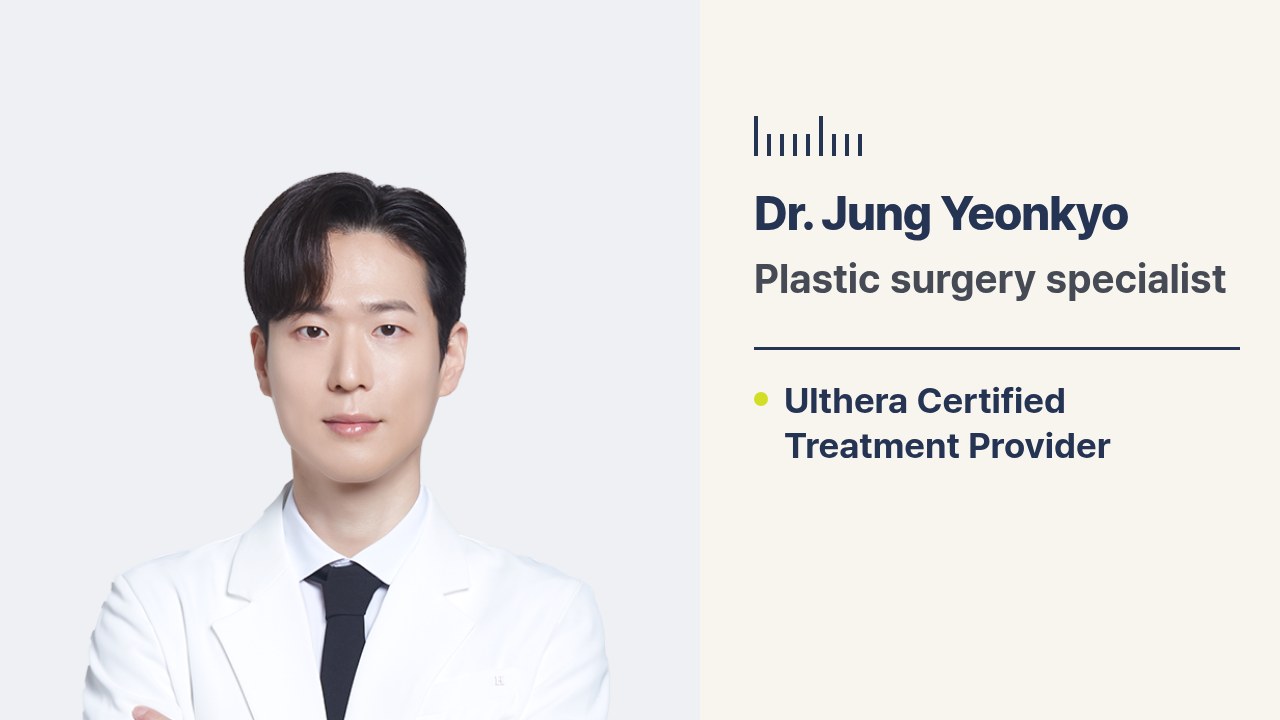
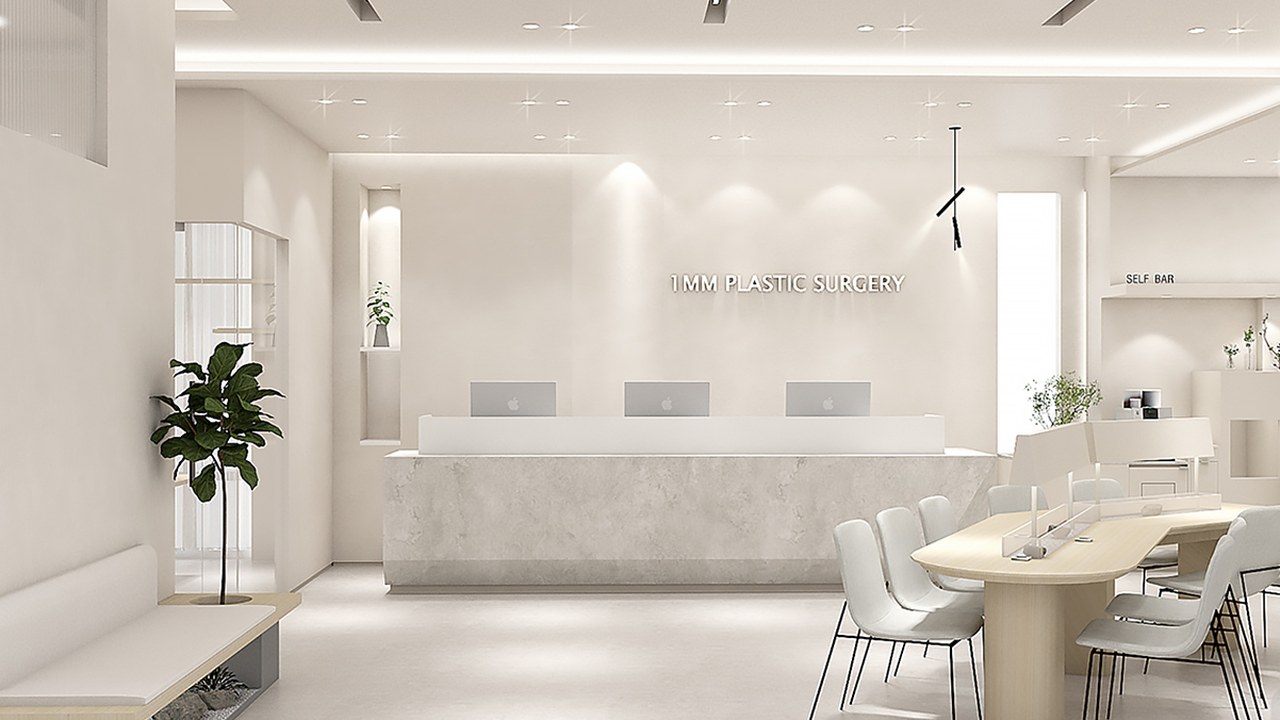
This post was written by the founder of a medical institution to provide medical information. The face illustrations and diagrams in this post are explanatory images made to aid understanding; they are not real people and not before-and-after images. The doctor’s photo is from the medical staff page of our website, and the interior image is from the ‘Clinic tour’ section of our website and may differ from the actual space. For any treatment, suitability, results and the course of recovery may vary with each person’s skin condition and circumstances, and side effects can occur. Please confirm the details at a consultation.
Clinic Info
Details
- 서울특별시 서초구 강남대로 449 영신빌딩 7, 8, 9, 10층
- 02-552-1171
- Mon-Fri 10:00-19:00Sat 10:00-16:00
- Director 도언록
- 1mmps.com