2026-11-16
Transconjunctival Fat Repositioning Recovery: What to Check at Each Stage, From Surgery Day
Recovery after transconjunctival under-eye fat repositioning in four stages from surgery day, with what to watch and what to confirm with the clinic.
Transconjunctival fat repositioning is surgery that moves bulging under-eye fat into the hollow below it through the conjunctiva, the inner lining of the lower eyelid. After surgery, there is a recovery period while swelling goes down and the under-eye settles into shape. How you look on a given day differs from person to person, so your recovery cannot be compared directly with someone else’s. This post divides recovery into stages and sets out what to watch at each stage and what to confirm with the clinic.

What is done in transconjunctival under-eye fat repositioning?
To understand recovery, it helps to know first what was done in surgery. According to the under-eye surgery information on the 1mm Plastic Surgery website, under-eye fat repositioning follows the steps below.
- A small incision in the conjunctiva — A fine incision is made in the conjunctiva on the inner side of the lower eyelid to reach the fat. The incision is not made on the outer skin.
- Fat is spread and moved — The bulging fat is spread and moved into the hollow area that needs volume (the tear trough). Some unneeded fat may also be removed.
- Fixation — The moved fat is spread evenly and then secured to reduce the chance of the area bulging again.

An article posted on our website describes this surgery as a method in which the incision is made not in the skin but in the conjunctiva on the inner side of the eyelid. However, there is more than one way to perform under-eye fat repositioning, and which method suits you is decided after the under-eye area is examined at a consultation.
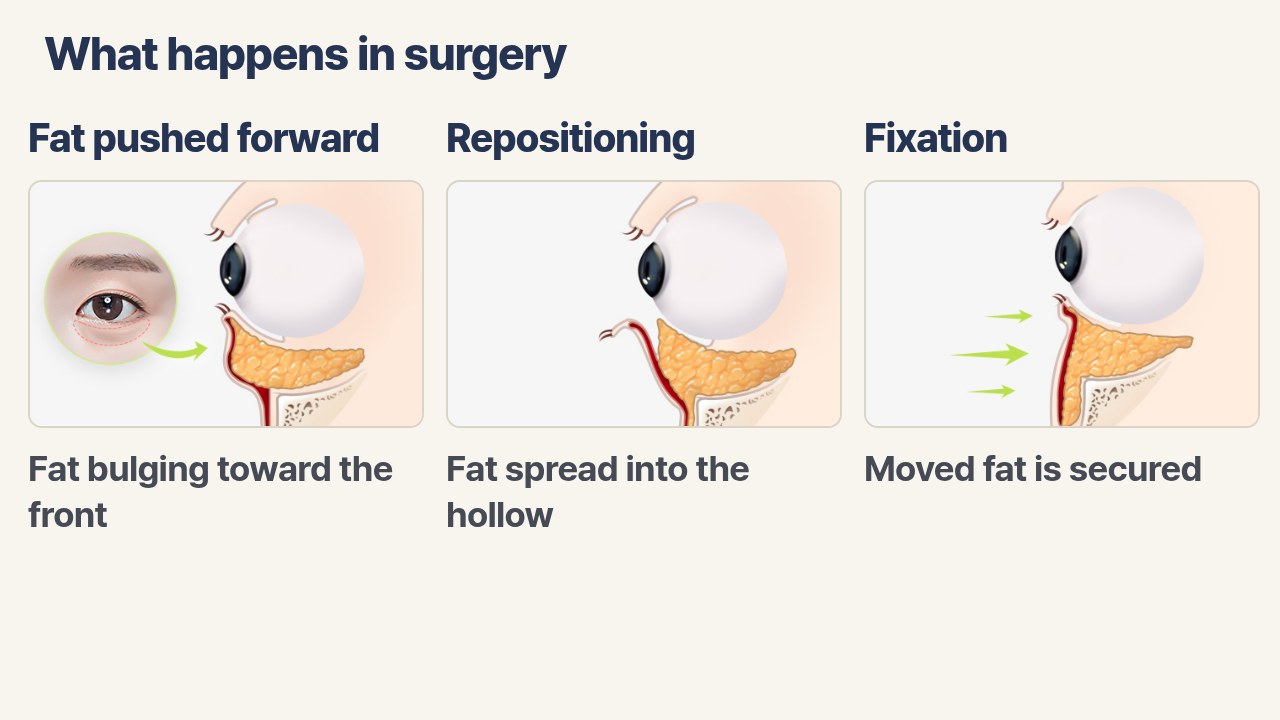
Even with a method that does not cut the outer skin, the surgery works on tissue around the eye, so there may be a recovery period with swelling and bruising.
In what order does recovery usually progress?
Recovery is better understood as a flow than as a set of dates, because the speed of recovery and the degree of swelling differ from person to person. In this post, recovery is divided into four stages.
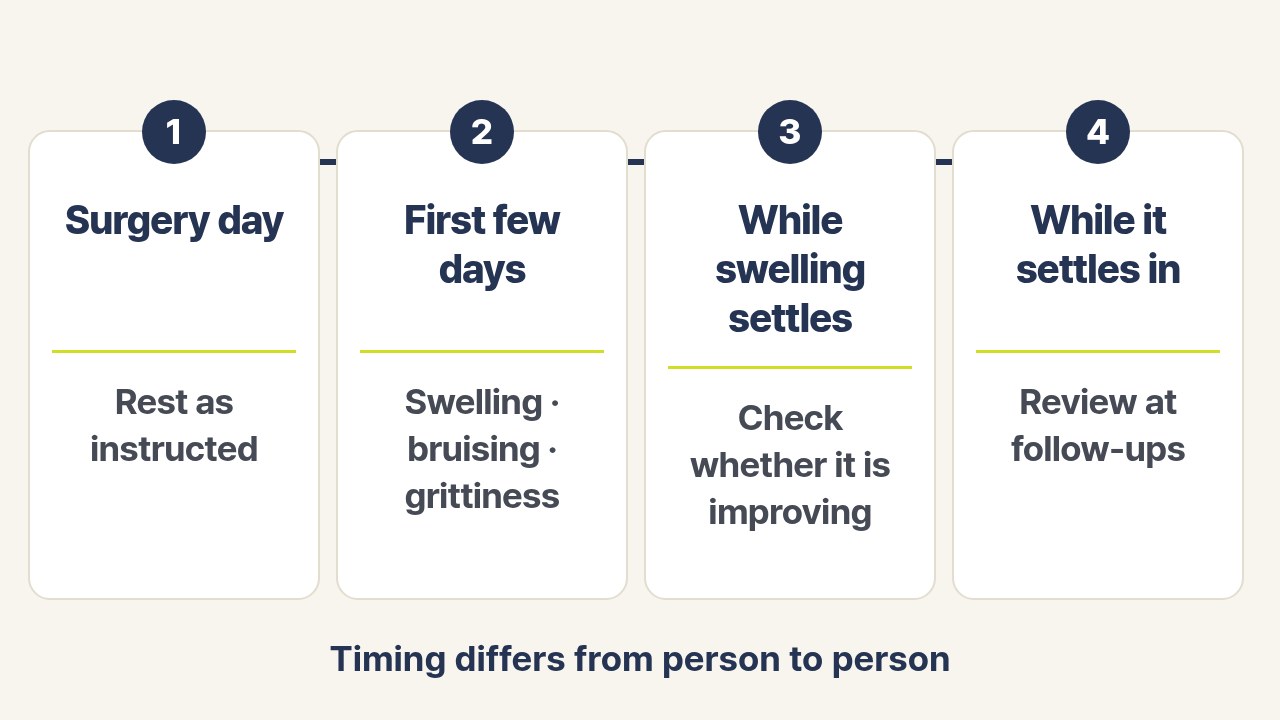
- Surgery day — For your condition right after surgery, what to follow at home and any prescriptions, follow the instructions of the clinic that performed your surgery.
- The first few days — The area around the eyes may swell or bruise, and your eyes may feel dry or as if something is in them.
- While swelling settles — As swelling and bruising fade, the two sides may look slightly different. Watch whether the symptoms are improving.
- While it settles in — As the remaining swelling goes down, the shape of the under-eye settles in. The shape is checked together at follow-up visits.
If you want to know the dates
How many days each stage takes depends on the surgical method and your condition. It is best not to use other people’s progress online as the yardstick for your own recovery schedule. Base your schedule on the follow-up dates and instructions given by the clinic that performed your surgery.
How should you spend surgery day and the first few days?
From right after surgery through the first few days, swelling and bruising may occur. The conjunctiva — the thin membrane covering the white of the eye — may also swell temporarily (conjunctival swelling, or chemosis).
A common thought
My eye feels dry, as if something is stuck in it. Is that okay?
After surgery, dryness, irritation of the conjunctiva or conjunctival swelling can make your eyes feel dry and gritty, or make your vision seem blurry. Watch whether these symptoms improve over time, and tell the clinic that performed your surgery if they get worse.
For the first few days, the basic rule is to follow the instructions of the clinic that performed your surgery. It is easier to plan if you confirm with the clinic before surgery or before you leave when you can start each of the items below.
- Managing swelling and bruising — Confirm whether to use care such as cold compresses and, if so, how and for how long.
- Medication — Confirm how and for how long to use the prescribed medication (including eye drops or eye ointment, if prescribed).
- Face washing and showering — Confirm when and how water may touch the area around your eyes.
- Eye make-up and contact lenses — Confirm when you may start again.
- Exercise, sauna, alcohol and smoking — Confirm how long to avoid them.
- Next follow-up visit — Confirm when to come in so your progress can be checked.
Is it a problem if the two sides look different while swelling goes down?
Swelling and bruising may not go down at the same speed in both eyes, because tissue response and recovery speed can differ slightly between the left and right sides. So during recovery, the two sides may look different, for example with one side looking more swollen.
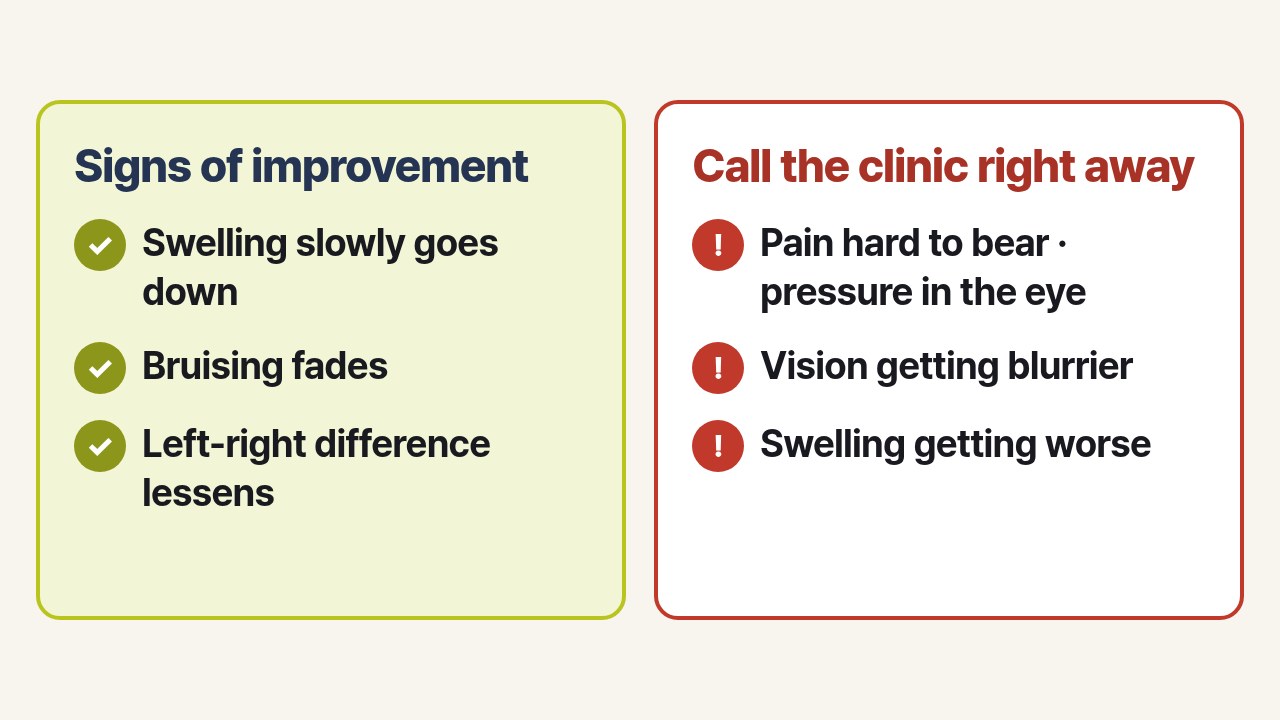
The yardstick here is whether things are getting better or worse over time. If swelling is going down and bruising is fading, keep watching your progress and have it checked on the follow-up date you were given.
However, if the fat is not repositioned evenly, the surface of the under-eye can look bumpy. Do not judge on your own whether unevenness during recovery is due to swelling — have it checked at a follow-up visit.
Which symptoms mean you should contact the clinic right away?
Surgery through the conjunctiva also works on the area around the eye, so side effects can occur. The course of recovery differs depending on your condition and the extent of surgery.
Side effects to know about
- Swelling and bruising — The area around the eyes may swell or bruise after surgery, and how long it takes to settle differs from person to person.
- Conjunctival swelling and a gritty feeling — The conjunctiva may swell temporarily, the eyes may feel dry and gritty, and vision may seem blurry.
- Bleeding and inflammation — Depending on your condition, bleeding or inflammation may occur.
- Bumpiness — If the fat is not repositioned evenly, the under-eye surface can look bumpy.
- Recurrence — Even after surgery, the under-eye may bulge again over time due to ageing and other factors.
Contact the clinic that performed your surgery right away if
- Pain or pressure — pain you can hardly bear continues even after taking the prescribed painkillers, or you feel pressure deep in the eye
- Changes in vision — your vision becomes blurrier over time, or you suddenly cannot see well
- Worsening swelling — swelling does not go down but keeps getting worse, or swelling and inflammation keep coming back
If you notice any unusual symptoms, do not wait for your next follow-up date — tell the clinic that performed your surgery right away.
Before setting a surgery date, how do you fit in the recovery schedule?
Your recovery schedule is planned together, starting from the consultation before surgery. Make sure to confirm the items below at the consultation.
- Medication and history of eye surgery — Please let us know in advance at the consultation about any medication you take and any previous eye surgery.
- Follow-up schedule and instructions — Confirm when to come in after surgery and how long to follow the aftercare instructions.
- Important plans — If you have important plans soon after surgery, mention them in advance and set the surgery date together.
Explanations of each surgical method are on the 1mm Plastic Surgery Under Eye Surgery page. Whether to discuss under-eye fat repositioning or under-eye fat removal is covered in our earlier post on under-eye fat repositioning vs removal.
Under-eye fat repositioning recovery: frequently asked questions
Where is the incision made in transconjunctival fat repositioning?
According to our website, a small incision is made in the conjunctiva on the inner side of the lower eyelid, not on the outer skin, to reach the fat. During recovery, swelling, bruising or conjunctival swelling can occur, and the course of recovery differs from person to person.
Is it normal for my eyes to feel dry and gritty after under-eye fat repositioning?
Dryness, irritation of the conjunctiva or conjunctival swelling can make your eyes feel dry and gritty. Watch whether it improves over time, and tell the clinic that performed your surgery right away if it comes with pain you can hardly bear or vision that keeps getting blurrier.
When can I wear make-up and contact lenses after under-eye fat repositioning?
When you can start again depends on the surgical method and how you are recovering, so follow the instructions of the clinic that performed your surgery. Planning is easier if you ask before surgery when you can start eye make-up, contact lenses and face washing.
When can the result of under-eye fat repositioning be judged?
How long it takes for swelling to settle and the shape to settle in differs from person to person. Because the two sides may look different during recovery, the result is checked together with the medical team at follow-up visits.
What we do at the consultation
We plan your recovery in advance,
together, just like the surgery
- Checking your under-eye condition and the surgical method
- Explaining aftercare instructions
- Explaining the follow-up schedule
- Explaining side effects and when to contact us
We check your under-eye condition and discuss the surgical method and recovery schedule. Results and the course of recovery may differ from person to person.
Consultation and booking
| Enquiries |
[email protected]
Getting in touch in advance can help reduce your waiting time. |
|---|---|
| Telephone | +82-2-552-1171 |
| +82 10-9451-1171 | |
| Opening hours |
Weekdays 10:00 – 19:00 Saturday 10:00 – 16:00 Closed Sundays and public holidays — for holiday opening, please check the monthly schedule notice. |
| Address | 7th, 8th, 9th and 10th floors, Youngshin Building, 449 Gangnam-daero, Seocho-gu, Seoul
In front of Exit 7, Sinnonhyeon Station — a 2-minute walk |
| Website | 1mmpsglobal.com |
#UnderEyeFatRepositioning #TransconjunctivalFatRepositioning #UnderEyeSurgeryRecovery #UnderEyeSurgery #TearTrough #KoreanUnderEyeFatSurgery #1mmPlasticSurgery #GangnamPlasticSurgery #KoreanEyelidSurgerySpecialist #EpicanthoplastySurgery
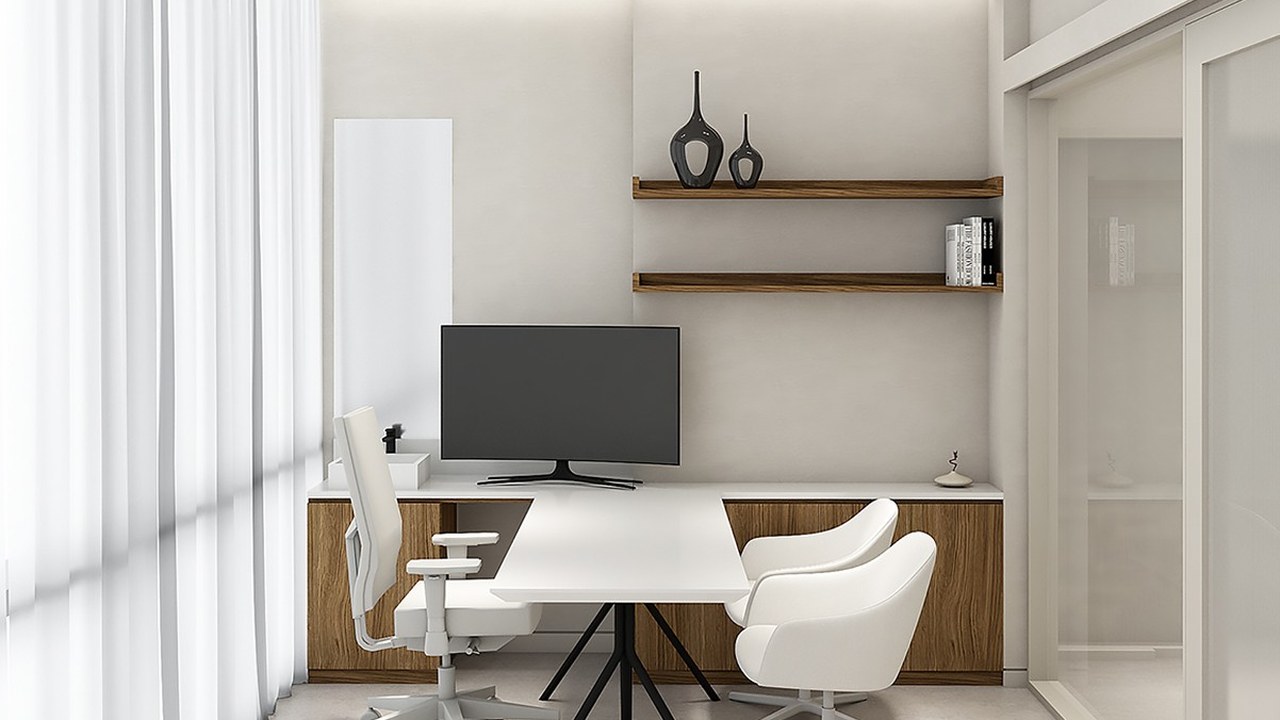
This post was written by the founder of a medical institution to provide medical information. The cross-section images are surgical explanation illustrations from the under-eye surgery page of the 1mm Plastic Surgery website with labels added; the cross-section images, the eye illustration and the diagrams are all explanatory images made to aid understanding and do not show real people or before-and-after results. The interior image is from the ‘Clinic tour’ on the website and may differ from the actual premises. For any surgery, its suitability for you, the result and the course of recovery may differ depending on your under-eye condition, and side effects may occur. Please confirm the details through a consultation.
Clinic Info
Details
- 서울특별시 서초구 강남대로 449 영신빌딩 7, 8, 9, 10층
- 02-552-1171
- Mon-Fri 10:00-19:00Sat 10:00-16:00
- Director 도언록
- 1mmps.com